Jigging for Kawartha Gold
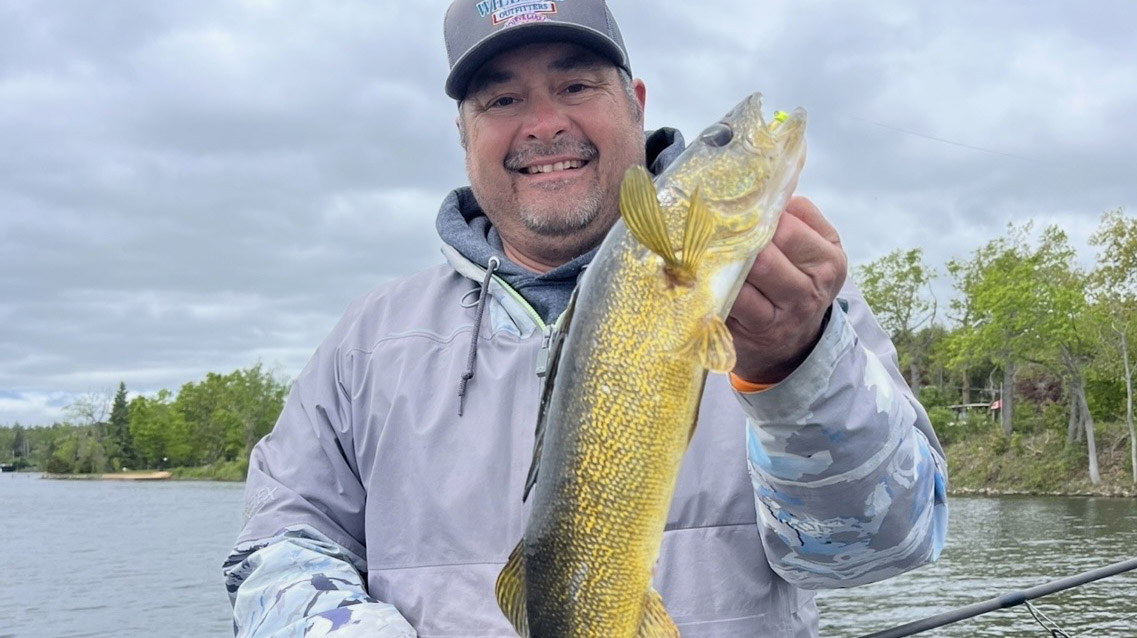
Walleye fishing has always been a popular pastime in cottage country. I remember as a kid the bridges and dams in neighbouring towns were packed on opening weekend with eager anglers looking to cash in on their limit. Many of them jigging with live bait from local tackle shops or casting Rapalas in the current. They would travel to the area from all over Ontario and the U.S. just to chase these tasty critters. Although those golden years are now gone, there is still a bounty of walleye to be caught if you know the right techniques, habitat, and behaviour of these elusive predators.
Jigging is one of the most proven, effective methods for catching walleye, allowing anglers to target them year-round and often producing bites in the toughest conditions.
Understanding Walleye Behaviour
Walleye or “Kawartha Gold” as they are affectionately known in the area, are visual predators and use their keen eyes to ambush their prey in low light conditions. They often feed best at dawn, dusk, and during overcast days. A little bit of wind or a “walleye chop” as it is known in fishing circles, improves these conditions and helps your chances of success even more.
In early season walleye are coming from their spawning areas and looking to feed and replenish their energy reserves that have been depleted during the rigours of the spawning season. During this time, they can be found in mid depth water (6-8ft) adjacent to spawning areas. Shallow main lake points, dams or in flowing moving water with a rock sand mix is an ideal place to start your search.
As water temperatures rise and weed beds begin to grow walleye move to the emerging weed flats, drop offs and main lake humps surrounded by deeper water. They will tend to hang close to these areas in 12-14ft of water throughout the summer months moving to deeper water (18-20+) during the high sky sunny days and heat waves. They move up to the weed edges and humps to feed when conditions are favourable. Understanding their behaviour and habitat is key to successful jigging.
Essential Gear for Jigging
• Rod and Reel: I recommend using a Medium to Medium/Heavy spinning rods (6–7 feet) depending on the jigging technique and presentation you are using. A quality reel with a decent drag system is necessary. This combination will give you the backbone, sensitivity and control you need to hook and land these finicky fish.
• Line: I typically use 10-15lb test braided main line with a 10lb fluorocarbon leader this combination offers feel, sensitivity, and low stretch for solid hook sets. The fluorocarbons low visibility qualities help entice bites from leery pressured fish.
Jig Types & Techniques
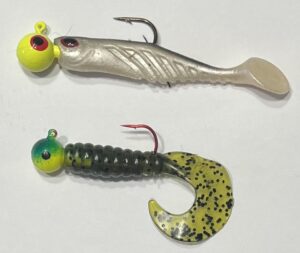 #1 Led Ball Head Jigs: Early Spring when there are no weeds I use lead-head jigs in sizes from 1/8 oz to 1/2 oz depending on depth, current, and wind. Popular colours like chartreuse, pink, or white are mainstays. You can tip these jigs with small artificial swim baits, grubs or live bait such as minnows, worms, or leaches. These jigs work well when fishing from a boat over deep structure using a vertical jigging technique. Drop the jig straight down and lift it gently, letting it fall back to the bottom. Walleye often strike as the jig falls and you will usually feel a distinct tick or see your line jump when they strike.
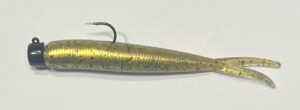 #2 Ned Jig Heads: Ned rigs are a new favourite of mine and I love to fish these off the mid-lake humps or rocky depth changes with sparse weed. I cast these jigs out and let them sink on slack line watching my line for any irregularities until they hit the bottom. I start the retrieve by slowly reeling keeping contact with the bottom and shaking my rod tip to entice strikes. Sometimes I vary this retrieve by hopping the bait slightly or varying my pause. Many of the strikes I get are subtle, you will feel the odd tick, but they usually just suck it in, and your rod will just load up or feel weight. Set the hook and you will be surprised with a fish more often than not. You can tip these Ned heads with a small straight worm or my favourite is the www.prowaterbaits.com Deadly Nedley in my signature Wangers Walleye Gold Colour.
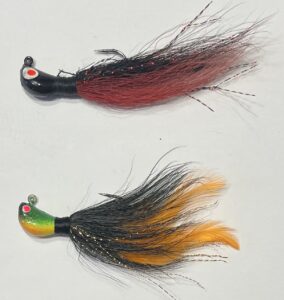 #3 Buck Tail or Hair Jjgs: when the weeds grow thick in the summer months and you must dig the fish out, I reach for a hand tied Buck Tail Jig. I cast this jig into thick milfoil weed beds and snap or rip jig it through the grass. Rip jigging requires sharp lifts or snaps of the rod to make the jig dart upwards, then allow it to fall back down on slack line. This erratic movement mimics injured prey and can trigger aggressive strikes usually on the fall. This is where a heavier rod like a Medium heavy comes in handy not only to snap the jig up but also hook the fish and rip them out of the heavy cover. I normally use natural colours starting with a black base with some red or yellow mixed in. I do not tip these jigs with anything as it usually will rip off from the violent jigging action required to master this technique but if I do, I will use a gulp minnow.
I know adding these jigs and techniques to your arsenal will make you a better angler and drastically improve your chances of a successful trip. Be sure to put them to use next time you are out hunting Walleye gold in the Kawarthas. Remember to always check provincial fishing rules for walleye size and slot limits in the areas you are fishing as well as the correct possession limit for your licence.
Happy fishing always! Catch you on the water!
Mike Williams, Williams Outfitters
www.williamsoutfitters.com