The New Chicks
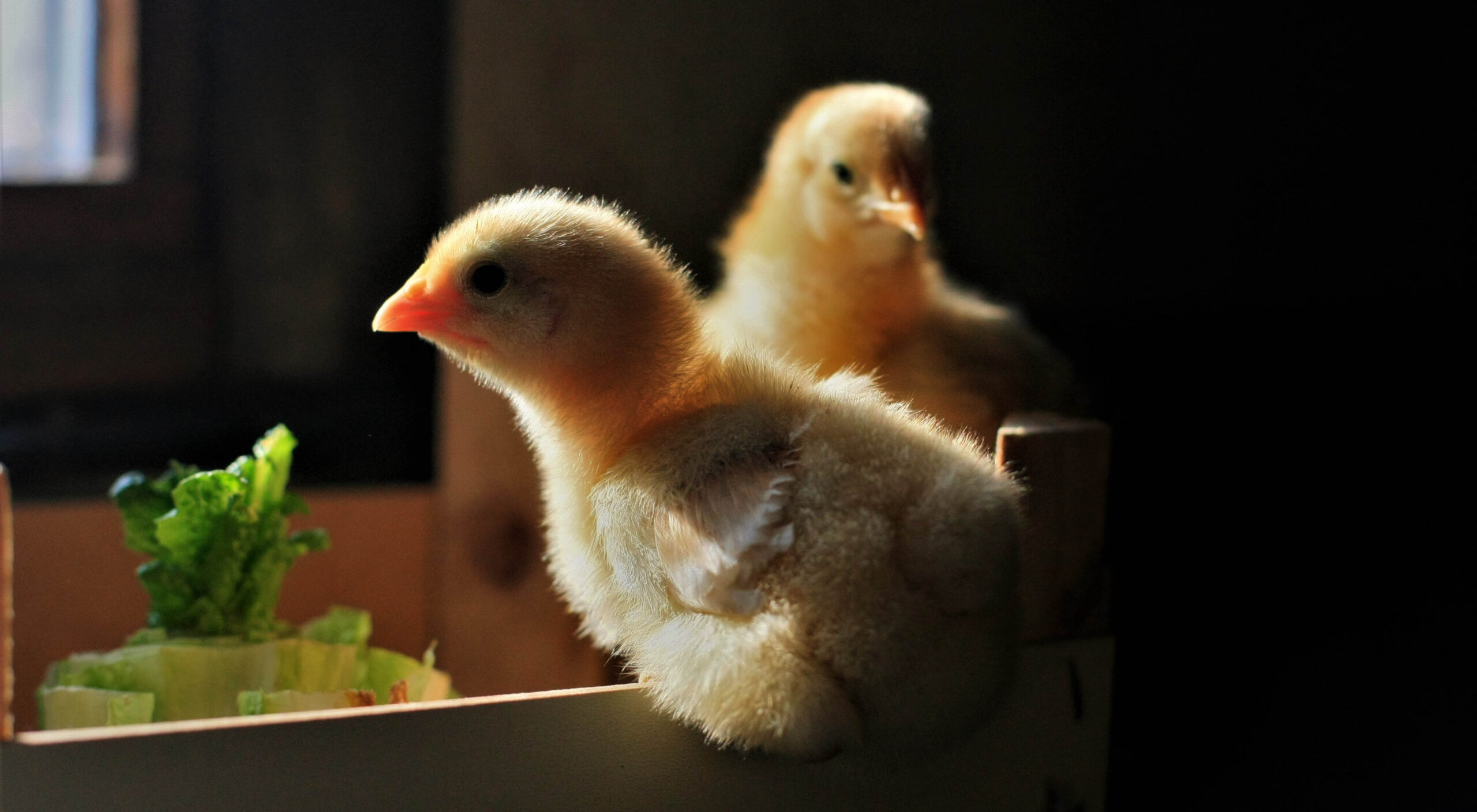
If you’ve never had the pleasure of bringing a box full of newly hatched chicks’ home, then let me be the guiding voice of elation for you, because there is nothing quite like it. Tiny chirping fluffballs running around, full of innate curiosity that, at times, gets them into all sorts of trouble, yet one can’t help but be enamoured by their cuteness. They are mesmerizing, enthralling, and well, really damn small.
The first time that my wife and I brought chicks home was when we had decided to expand our flock. Until that point, we had more demand for our chicken eggs than we could supply, so the question of “why not invest in a few more egg laying chickens?” arose, and all too soon the call for action was much too loud to avoid.
Still, I remember the day we brought the new chicks home. Twelve peeping hatchlings, puffy and fluffy, pooping and eating anything they could find. Baby chickens do, after all, poop a lot. It’s unavoidable, but the last thing any of us can do is hold it against them.
In a matter of a couple weeks, those chicks began to develop feathers on their tiny, awkward wings, followed by stubby strange tail feathers. By week four, they were beginning a state of transformation that would end up lasting another two months, by which time there was no discernible way to tell which chickens had been which chicks prior.
They grow up so fast, don’t they?
Chicks are just as much of an investment as starting seeds are, but because chicks have a lot more personality than say, oh, tomato seedlings, you tend to invest more effort into the squeaking babies. They’re definitely far more entertaining than watching seedlings, at least as far as I’m concerned.
Here on our tiny little homestead, we have had the insurmountable pleasure of having both chicks and ducklings in our brooder. Some of them have kept a place in our coop for several years while others have since come and gone, by one means or another. Not all of our chicks are destined to be long term residents, destined to live out their days pecking at insects and laying eggs in our nesting boxes. Some of them have relatively short lives, but no matter how long their stay is, they all garner the same level of love and respect from us.
There are a lot of lessons to be learned while raising chicks. Ours come home long before the weather is anywhere near good enough to have them outside, and so for the first month or so of life, our chicks are confined to a brooder with a heat lamp, fresh bedding, and more meal worms than they can shake a beak at. Make no mistake about it, these birds live good lives.
Every now and again we lose some chicks, and when the discovery of a baby chicken who didn’t make it through the night descends upon the homestead, my wife and I tend to sit quietly at the kitchen table, together enough while still alone with our thoughts. A loss is a loss, no matter how big or small, and someone once said that on a homestead, if you’re going to have livestock, eventually you will have dead stock. Sometimes it’s just hard to have to remind yourself of that when everything was going well, at least up until recently.
And believe me, chicks (and ducklings) grow quickly. They might seem attached to you when they’re featherless and small, but soon they grow into their own independence. Before you know it they’re not chicks anymore, but fully grown chickens destined to their fate, no matter what that may be. In any case, it certainly is a process of which I’m proud to be a part of, and one that I wouldn’t miss for the world, no matter how much or how little I am involved.
Mike Fitzerald is an avid outdoorsman and knowledgeable homesteader who writes for multiple publications about living off the land. You can follow him on his adventures via Instagram as @onmivore.culture