THOSE WERE THE DAYS “The Many Heroes”
WWI Armistice was signed in a railroad carriage near the town of Compiegne in Picardy, France on November 11, 1918. The signing was held in Marshal Ferdinand Foch’s private train wagon at 5:45 in the early morning to end all hostilities. Allied Supreme Commander Marshal Foch and German representative Mathias Erzberger signed the historic document.
During WWI over 66,000 Canadians were killed and 175,000 wounded, also, from 1914 – 1918 it is reported 650,000 Canadians served; which meant roughly one in ten who went overseas became a casualty.
Remembrance Day originated from Armistice Day, inaugurated by King George V in 1919 to honour WWI veterans and the 1918 cease fire which took affect ‘the eleventh hour, the eleventh day, in the eleventh month’. Remembrance Day was established to ensure the sacrifices of the Great War were not forgotten.
Every November 11th the faithful gather to bow their heads in remembrance, something we should all do not only the one day, but every minute of every day. Ironically, some do not attend the ceremonies which is their freedom to decide, the freedom they forget was attained by the brave Canadians who died to give them that choice.
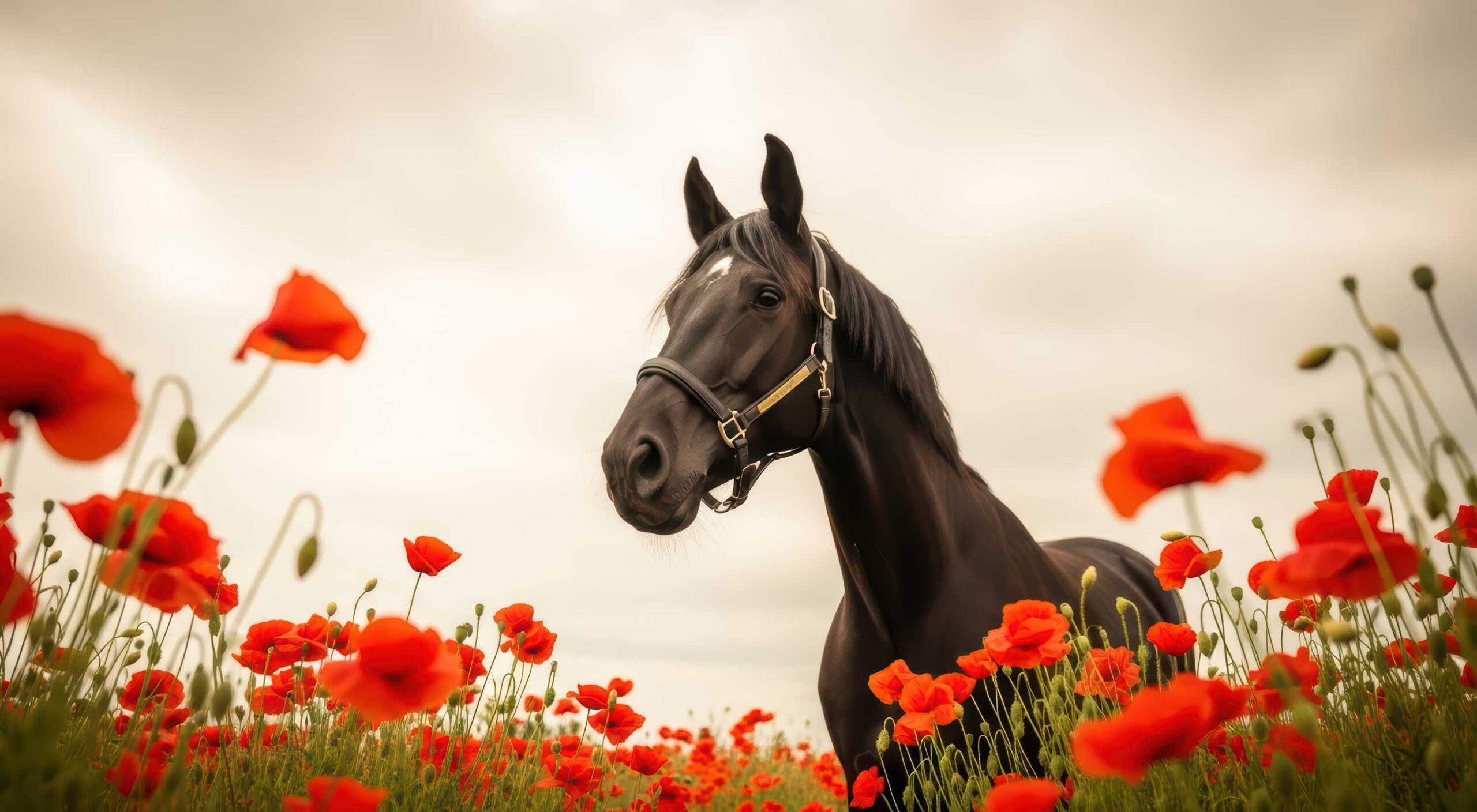
We honour those who gave their all and well we should, but there is a number that is rarely quoted. Did you know eight million horses and mules died in WWI? An estimated one million dogs also perished due to exhaustion, disease and direct combat action.
WWII was a mechanized war, trucks, jeeps and tanks took up the burdens but there were no vehicles to do the heavy work in WWI so horses, donkeys and dogs were called upon to take up the void. Although armored vehicles were visible it is estimated up to five million horses also died in WWII used mostly by Germany and Russia. The large number reported, not as dire as WWI included horses perished due to cold weather, bombings, artillery, transport, cavalry and in many cases slaughtered because of the scarcity of food.
Over 100,000 pigeons were used as messengers in WWI unfortunately, most becoming fodder for enemy riflemen. Cats were used to keep the rat population down in the trenches but mostly for their keen sense to warn troops of an oncoming gas attack.
In appreciation for extraordinary acts of bravery, medals were issued to dozens of animals including horses, dogs, pigeons and even one wounded cat who refused to leave a torpedoed and sinking ship.
There are worldwide organizations who hold memorials for the millions of horses, mules, donkeys, dogs, cats, pigeons, camels, elephants and all the various innocent animals who died in world wars. The Purple Poppy Campaign honors animals that perished in battle. There is also Animals In War Memorial in London, England, Canada’s Animals In War Dedication and The War Horse Memorial. One of the more known honors is the Dickin Medal sometimes referred to as the Victoria Cross for animals, instituted in 1943 by Maria Dicken for the People’s Dispensary For Sick Animals (PDSA), to recognize the acts of bravery and devotion to duty by animals during periods of war or conflict. The bronze medal is inscribed ‘We Also Serve’.
We cherish a horse’s agile ability, we cuddle with dogs and cats and train homing pigeons but rarely do we thank the various animals for their military contributions. Our freedoms were bought at a terrible price, when we bow our heads and thank those who fought and died for those freedoms we should also remember, heroes come in all forms.
By: Russ Sanders
epigram@nexicom.net