Snack Time for the Birds: Make a Backyard Feeder & Become a Citizen Scientist
On a crisp autumn day, when leaves crunch underfoot and the air smells like woodsmoke and the apples have ripened, there’s no better time to share a little kindness with our feathered friends. As food becomes scarce, birds visit backyard feeders to supplement their winter diet—and you can help. Even better, you can watch, wonder, and learn as you give.
Even small projects like these are an act of care—and a small step towards becoming a steward of the natural world. And if you take notes, snap photos, and share your findings through citizen science programs like iNaturalist or eBird, you’ll be helping scientists track where birds are, what they eat, and how they survive the changing seasons.
So gather some supplies, step outside, and let’s build a snack station for the birds!
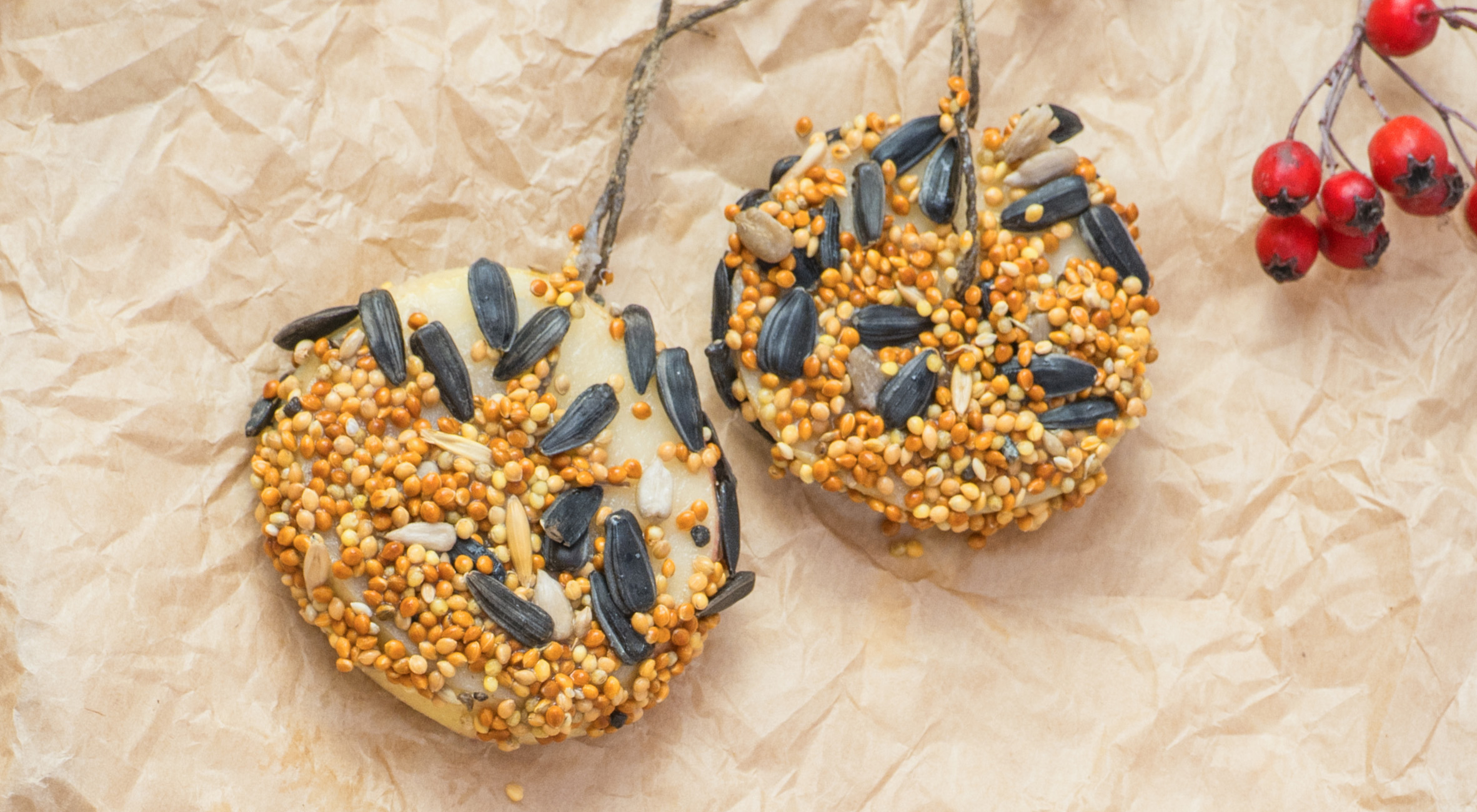
Apple Bird Feeder
You’ll need:
• One large apple
• An apple corer (with adult help)
• Unsalted sunflower seeds
• Four small twigs
• String (about 2 feet long)
Step-by-step:
Wash your apple. With help from an adult, gently remove the core using an apple corer.
Press sunflower seeds into the apple, pointy side in, until the surface is covered with tasty treats.
Gently push four twigs into the base of the apple, like legs on a table. These become little perches for visiting birds.
Tie one end of the string around the last twig, then pull the loose end through the hollow core.
Find a sturdy, low-hanging branch and tie your feeder in place.
Step back, watch, and wait. Who will come? A chickadee? A nuthatch? Maybe even a downy woodpecker!
Be a Backyard Bird Detective
Once your feeders are in place, it’s time to observe. Bring a notebook or tablet.
Sketch what you see. Ask yourself:
What kind of birds visit?
How do they behave?
Do different birds come at different times of day?
You can turn your discoveries into real science by submitting observations to iNaturalist or eBird. These free online tools help scientists track bird populations across the globe. Sometimes, the smallest acts—like hanging a feeder—can open the door to a lifelong connection to the wild.
Submitted by Jacob Rodenburg, Author & Executive Director of Camp Kawartha, an award-winning outdoor education centre and summer camp.