
When the Sun Stays Low: Winter Shelter and Survival
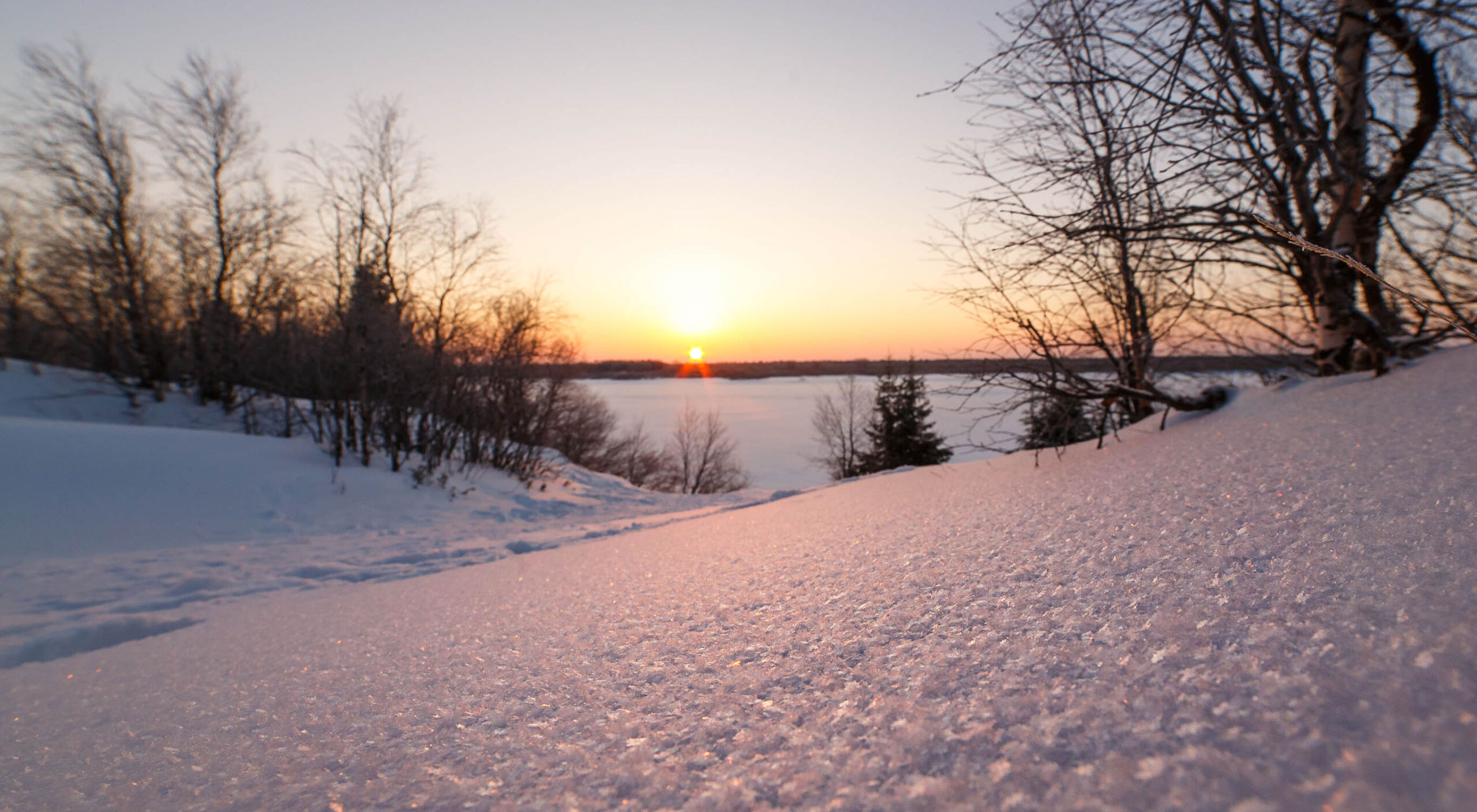
When the land grows quiet and the cold deepens, animals face winter’s greatest test. It is a season of stillness, endurance, and survival. On or around December 21, the winter solstice marks the shortest day and longest night of the year. During this time, the sun follows its lowest path across the sky, never climbing very high above the horizon. Its low, angled rays offer little warmth, signalling that winter has fully arrived.
By mid winter, temperatures can plunge below minus 40 degrees Celsius, yet many animals survive these extremes by making use of insulation. Some build nests, dens, or burrows. Others rely on snow itself for protection. Though it feels cold to the touch, fresh snow contains tiny air pockets that slow the movement of heat. When snow blankets the ground, it acts like a thick quilt, shielding plants, insects, and small animals from the coldest air above. Beneath the snow, temperatures can remain surprisingly stable and much warmer than the air. This is why mice tunnel through snow, plants survive deep freezes, and some animals shelter under snowdrifts rather than above them.
What the Hey, Build a Dray!
If you are a Grey Squirrel (Sciurus carolinensis), winter survival begins with building a nest called a dray. In late fall, squirrels gather twigs with leaves still attached and weave them into a sturdy platform wedged into the fork of a tree. Using their teeth and paws, they layer softer materials such as moss, grass, shredded bark, and loose leaves to create thick insulation. A dome of twigs is added on top, and every gap is stuffed tight with leaves to block wind and cold. The finished dray includes two entrances. One faces the trunk to help keep out wind, snow, and rain. The other serves as an emergency exit.
Many other animals rely on similar strategies. Field mice weave dried grasses into dense, fluffy nests. Chickadees seek out tree cavities and line them with feathers and moss. Foxes dig dens into hillsides or shelter inside hollow logs. Snakes gather in rocky crevices called hibernacula, coiling together in tight groups to conserve heat.
For all animals, shelter must be well insulated, protected from wind and moisture, and located in a safe place. Whether it is a carefully built nest, a hidden den, or a blanket of snow, good shelter can mean the difference between life and death in winter.
Make Your Own Winter Nest
You can explore these ideas by building a winter nest of your own.
You will need a thermometer, a small container with a tight-fitting lid, hot water, and access to natural materials such as dried leaves, grass, twigs, and moss.
Fill the container with hot water and imagine it is your “critter.” Measure and record the water temperature, then seal the lid tightly. Now build a nest designed to keep your critter as warm as possible using only natural materials. You might create a twig frame and stuff it with leaves like a squirrel’s dray. You could form a ball of dried grass inspired by a mouse nest. Or you might tuck your critter into a hollow log or tree cavity and pack it with insulating materials.
Once your nest is complete, place the container inside and leave it undisturbed for about two hours. When time is up, remove the container and quickly measure the water temperature again.
How much heat was lost? What worked well? What could be improved next time?
Like animals in winter, you will likely discover that insulation matters most. Thick layers of dry material trap air and slow heat loss, just like insulation in our own homes. In winter, survival depends on noticing what works, adapting, and learning from the quiet wisdom of the natural world.
Submitted By: Jacob Rodenburg (B.A., B.Ed., M.Ed), Author, Instructor – Trent University & Executive Director of award winning Camp Kawartha & The Camp Kawartha Outdoor Education Centre/Environment Centre.